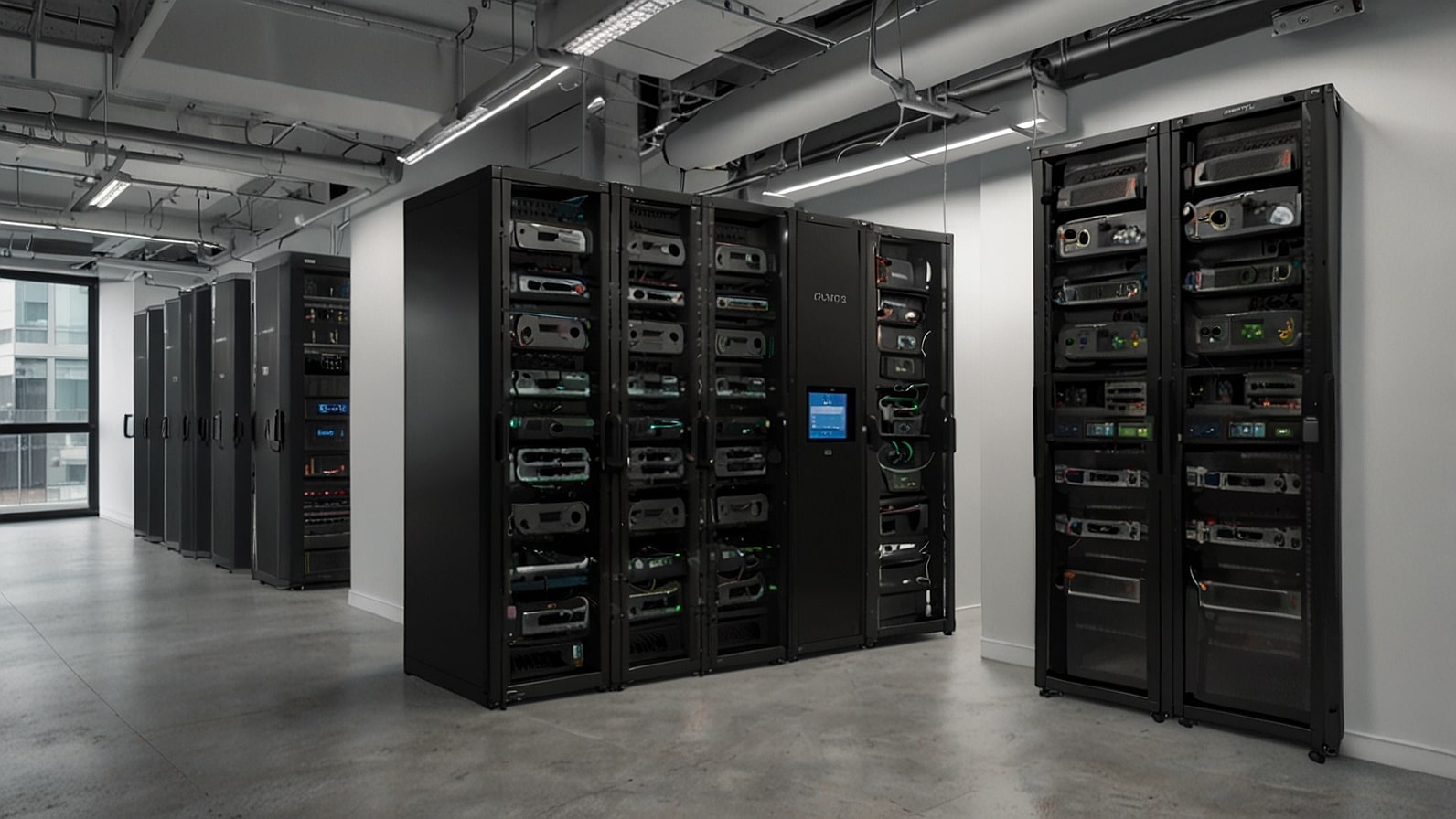
Toronto-based electronics manufacturing giant Celestica Inc. has been granted approval by the Toronto Stock Exchange to author a renewed normal course issuer bid that will see it repurchase up to 5.7 million common shares beginning November 3, 2025.
It is an indicator of confidence in the direction of the company by the management, which just reported a brilliant quarter three with artificial intelligence hardware demand. As the shares trade at near all-time high values, 5% of the public float cap will be used to give value back to the shareholders and to strengthen the value of the stock in a fluctuating market.
The announcement marks the final step in a breakthrough quarter at Celestica that recorded unprecedented revenues of 2.65 billion USD, an increase of 22 % over the previous year due to hyperscaler spending on AI infrastructure. The company’s flagship segment, Connectivity and Cloud Solutions, increased by 38% to one point eight two billion dollars due to orders of high-end servers and networking equipment needed to run data centres, driving generative AI models.
Aerospace and defence, too, scored gains of two or more digits, improving 15%, with bottlenecks in supply chains getting smoothed and defence expenditure increasing in the face of international tensions.
Adjusted earnings per share rose to a record-breaking high of $1.02, or 12 cents higher than expected and the fourth consecutive quarter of margin growth. Chief Executive Rob Verbick has pointed out the disproportionate role of the Connectivity segment by pointing out that the revenue based on AI has now topped 40% of the backlog in the division and that this number is expected to grow to upwards of 4.5 billion in revenue by the end of the year.
Verbick downplayed the moment by saying on the earnings call that Nvidia, AMD, and newcomer hyperscalers have diversified client wins that have led to the momentum at the epicentre of the AI revolution. The cash flow operation reached $250 million, and as a result of the operation, it was possible to reduce the debt by 150 million and establish Celestica as a potential acquisition of other companies.
However, the road to take is not thornless. The threat of geopolitical risks is also big, and U.S.-China trade tensions are putting the sourcing of its components in Asia at risk, where Celestica does 60% of its manufacturing. The company cited possible increases in tariffs under the second Trump term as one of its headwinds, where it projected a 2-3 per cent cost impact in case the company was forced to pay new duties on semiconductors.
Mitigation measures such as supply chain diversification, scaling up Mexican and Eastern European plants, provide an answer, although Verbick warned that lead times of high-end chips might lengthen in case the situation gets out of control.
The response in the market was subdued, and the shares slightly increased 1.2% in Toronto trade, as more investors are concerned with interest rate ambiguity in the tech sector. The recent lowering of rates by the Bank of Canada to 3.75% was a relief, but according to RBC capital analysts, Celestica was being valued at 18 times forward earnings-premium levels, which requires impeccable performance.
The buyback is financed through the cash reserve and credit facilities, and the daily TSX limit is 221,734 shares per day, as per the recent volume and block trades are allowed to ensure efficiency.
The rise of Celestica is a good news story for the tech ecosystem of Canada because it highlights the shift to high-value manufacturing in the country. The company has its headquarters in Toronto and employs 26,000 people worldwide across 50 locations, and it is the centre of the tech hub in the Greater Toronto Area, delivering annual exports of over 10 billion dollars to the GDP.
Collaborations with domestic higher research institutions such as Waterloo and Toronto strengthen R&D in edge computing and 5G, and make Canada a silent player in the AI arms race against the U.S. and Asian giants.
In the future, full-year projections are 20% increased revenues to $10.5 billion, with AI tailwinds likely to continue through 2026. Verbick was boasting of margin accretion due to automation elasticity, such as robotic assembly lines, which reduced defects by 30%. With other industry competitors such as Foxconn struggling with excess capacity, the lean concept of Celestic, with its design focus rather than commoditised production, stands out distinctly.
This buyback reenactment comes as Canadian companies are in a divided economy: sustainable tech exporters and resource-damaging tariffs. As 75% of its revenues are generated in North America, Celestica is a good example of the innovation-based growth policy promoted by the Ottawa government, which is supported by federal incentives such as the Strategic Innovation Fund.
With quantum computing and EV supply chains becoming the forefronts, the playbook of the company, agile scaling, shareholder discipline, and geopolitical hedging is a blueprint to be followed by the peers. Celestica is not only making hardware in an AI-rewired world, but it is also constructing the tech renaissance in Canada, one circuit board at a time.